
The Straits of the World — This Time, the Strait of Hormuz (En-Gr)
Τα Στενά του Κόσμου — Αυτή τη Φορά, τα Στενά του Hormuz
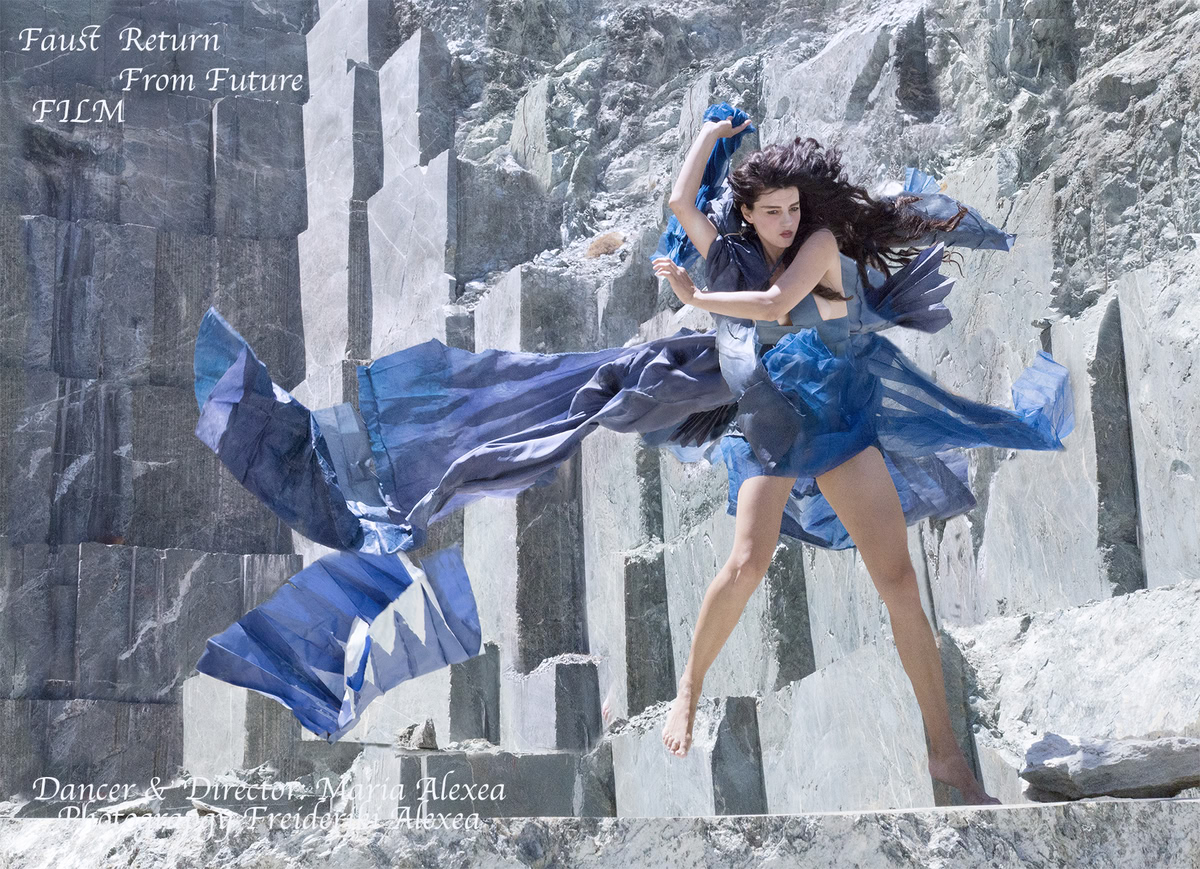
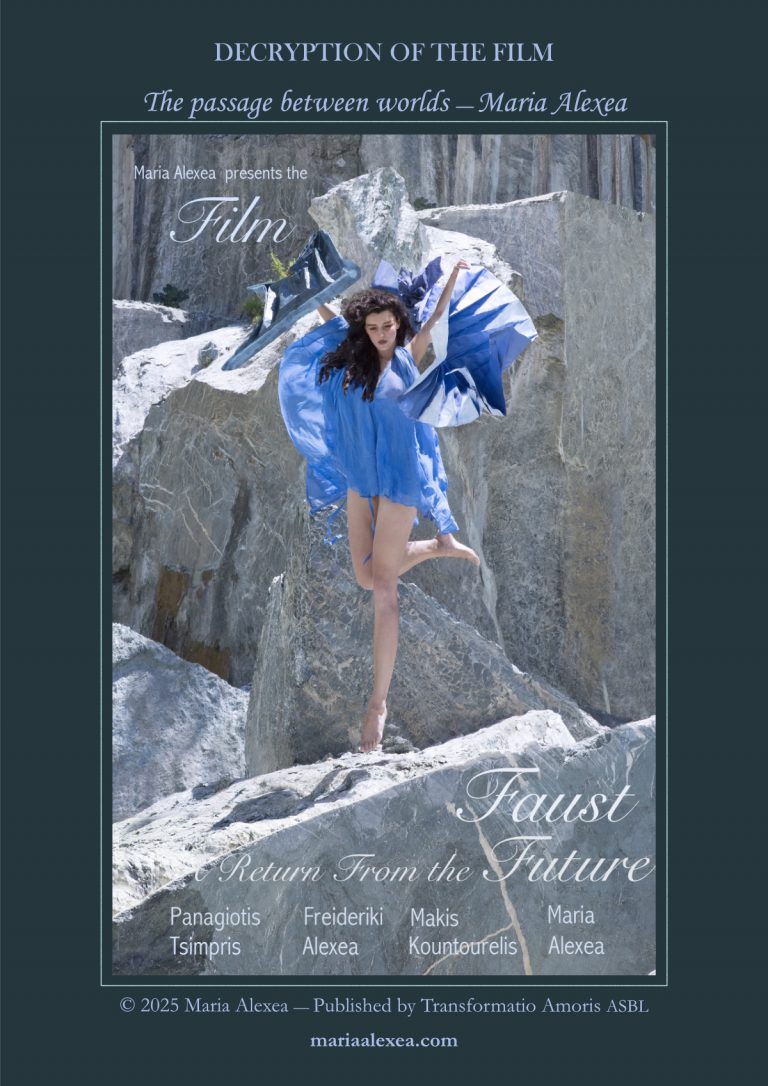
🎬 Trailer of the Film : https://mariaalexea.com/faust-the-film/
ENGLISH
The Straits of the World — This Time, the Strait of Hormuz
History Repeating
Odysseus does not confront the suitors in an open field. He does not meet them where their numerical superiority could unfold. He allows them to gather, to fill the house, to spread within a space that already, without their knowing, has limits. And when the moment comes, that space ceases to be a place of hospitality and becomes a passage without exit. Their movements entangle, their bodies collide, and what once appeared as unquestionable “power” turns into weight. There is no formation anymore. Only compression.
At Salamis, the same form appears again, on another scale. The Persian fleet enters the straits with the confidence of quantity. But the sea does not allow this quantity to unfold. Ships press against one another, oars collide, lines break. Where “power” should have manifested, confusion emerges. The Greeks do not prevail through numbers; they prevail because they move within a space that has already limited the opponent. The strait is not simply a place. It is the point where multiplicity ceases to function as “power” and turns against itself.
In Goethe’s Faust, the scene is neither house nor sea, and yet the same logic remains. The conflict is not decided by the extension of space, but by the ability of the opponent to maintain coherence. Mephistopheles does not confine bodies; he dissolves perception. He creates a field where lines are no longer visible, where direction is lost. The passage is no longer geographical, but mental. And within it, multiplicity does not crowd — it disintegrates. Defeat does not come through confrontation, but through the loss of form.
The same structure returns today in the Strait of Hormuz. There, where the world’s energy flows, “power” is not determined only by volume or technology, but by passage. The width of the sea narrows, lines become exposed, movement is constrained. What would be superiority in open space becomes vulnerability here. The passage does not simply change conditions — it changes the nature of “power.”
The straits, however, are not only limits. They are passages. Isthmuses, channels, points of transition. The very form of passage implies a field of oscillation, a space where something crosses and is transformed. To enter is already to be altered. The passage is not merely restriction; it is the transformation of movement.
From the house of Ithaca to the straits of Salamis, from the mental field of Faust to the contemporary passages of geopolitics, the same form returns. Multiplicity extends, gathers, enters a space where it can no longer move as before. And then, without any external force, it begins to collapse from within.
The battle is not decided where “power” appears.
It is decided where it can no longer unfold.
In the strait.
In the passage.
Maria Alexea
ΕΛΛΗΝΙΚΑ
Τα Στενά του Κόσμου — Αυτή τη Φορά, τα Στενά του Hormuz
Η Ιστορία Επαναλαμβάνεται
Ο Οδυσσέας δεν αντιμετωπίζει τους μνηστήρες σε ανοιχτό πεδίο. Δεν τους συναντά εκεί όπου η αριθμητική τους υπεροχή θα μπορούσε να αναπτυχθεί. Τους αφήνει να συγκεντρωθούν, να γεμίσουν τον οίκο, να απλωθούν μέσα σε έναν χώρο που ήδη, χωρίς να το γνωρίζουν, έχει όρια. Και όταν η στιγμή έρθει, ο χώρος αυτός παύει να είναι χώρος φιλοξενίας και γίνεται πέρασμα χωρίς έξοδο. Οι κινήσεις τους μπλέκονται, τα σώματα συγκρούονται, και αυτό που πριν φαινόταν ως αδιαμφισβήτητη «δύναμη» μετατρέπεται σε βάρος. Δεν υπάρχει πλέον διάταξη. Υπάρχει μόνο συμπίεση.
Στη Σαλαμίνα, η ίδια μορφή επανεμφανίζεται σε άλλη κλίμακα. Ο περσικός στόλος εισέρχεται στα στενά με την αυτοπεποίθηση της ποσότητας. Η θάλασσα όμως δεν επιτρέπει την ανάπτυξη αυτής της ποσότητας. Τα πλοία πλησιάζουν το ένα το άλλο, τα κουπιά συγκρούονται, οι γραμμές διασπώνται. Εκεί όπου η «δύναμη» θα έπρεπε να εκδηλωθεί, εμφανίζεται σύγχυση. Οι Έλληνες δεν υπερέχουν αριθμητικά· υπερέχουν γιατί κινούνται μέσα σε έναν χώρο που ήδη έχει περιορίσει τον αντίπαλο. Το στενό δεν είναι απλώς τόπος. Είναι το σημείο όπου η πολλαπλότητα παύει να λειτουργεί ως «δύναμη» και στρέφεται εναντίον του εαυτού της.
Στον Faust του Goethe, η σκηνή δεν είναι ούτε οίκος ούτε θάλασσα. Κι όμως, η ίδια λογική παραμένει. Η σύγκρουση δεν κρίνεται από την έκταση του χώρου, αλλά από τη δυνατότητα του αντιπάλου να διατηρήσει τη συνοχή του. Ο Mephistopheles δεν περιορίζει σώματα· αποσυνθέτει την αντίληψη. Δημιουργεί ένα πεδίο όπου οι γραμμές δεν είναι πλέον ορατές, όπου η κατεύθυνση χάνεται. Το πέρασμα δεν είναι γεωγραφικό, αλλά νοητικό. Και μέσα σε αυτό, η πολλαπλότητα δεν συνωστίζεται — διαλύεται. Η ήττα δεν έρχεται από σύγκρουση, αλλά από απώλεια μορφής.
Η ίδια δομή επιστρέφει σήμερα στα στενά του Hormuz. Εκεί όπου μεταφέρεται η ενέργεια του κόσμου, η «δύναμη» δεν καθορίζεται μόνο από τον όγκο ή την τεχνολογία, αλλά από το πέρασμα. Το πλάτος της θάλασσας στενεύει, οι γραμμές εκτίθενται, η κίνηση περιορίζεται. Αυτό που σε ανοιχτό πεδίο θα ήταν υπεροχή, εδώ μετατρέπεται σε ευαλωτότητα. Το πέρασμα δεν αλλάζει απλώς τις συνθήκες — αλλάζει τη φύση της «δύναμης».
Τα στενά όμως δεν είναι μόνο όρια. Είναι περάσματα. Ισθμοί, πορθμοί, σημεία μετάβασης. Το πέρασμα δεν είναι απλώς περιορισμός· είναι μετασχηματισμός της κίνησης. Ό,τι εισέρχεται σε αυτό, δεν εξέρχεται το ίδιο.
Από τον οίκο της Ιθάκης μέχρι τα στενά της Σαλαμίνας, από το νοητικό πεδίο του Faust μέχρι τα σύγχρονα περάσματα της γεωπολιτικής, η ίδια μορφή επανέρχεται. Η πολλαπλότητα εκτείνεται, συγκεντρώνεται, εισέρχεται σε έναν χώρο όπου δεν μπορεί πλέον να κινηθεί όπως πριν. Και τότε, χωρίς να χρειάζεται κάτι εξωτερικό, αρχίζει να καταρρέει από μέσα.
Η μάχη δεν κρίνεται εκεί όπου η «δύναμη» φαίνεται.
Κρίνεται εκεί όπου δεν μπορεί πλέον να αναπτυχθεί.
Στο στενό.
Στο πέρασμα.
Maria Alexea
🎬 Trailer of the Film : https://mariaalexea.com/faust-the-film/
ENGLISH
The Straits of the World — This Time, the Strait of Hormuz
History Repeating
Odysseus does not confront the suitors in an open field. He does not meet them where their numerical superiority could unfold. He allows them to gather, to fill the house, to spread within a space that already, without their knowing, has limits. And when the moment comes, that space ceases to be a place of hospitality and becomes a passage without exit. Their movements entangle, their bodies collide, and what once appeared as unquestionable “power” turns into weight. There is no formation anymore. Only compression.
At Salamis, the same form appears again, on another scale. The Persian fleet enters the straits with the confidence of quantity. But the sea does not allow this quantity to unfold. Ships press against one another, oars collide, lines break. Where “power” should have manifested, confusion emerges. The Greeks do not prevail through numbers; they prevail because they move within a space that has already limited the opponent. The strait is not simply a place. It is the point where multiplicity ceases to function as “power” and turns against itself.
In Goethe’s Faust, the scene is neither house nor sea, and yet the same logic remains. The conflict is not decided by the extension of space, but by the ability of the opponent to maintain coherence. Mephistopheles does not confine bodies; he dissolves perception. He creates a field where lines are no longer visible, where direction is lost. The passage is no longer geographical, but mental. And within it, multiplicity does not crowd — it disintegrates. Defeat does not come through confrontation, but through the loss of form.
The same structure returns today in the Strait of Hormuz. There, where the world’s energy flows, “power” is not determined only by volume or technology, but by passage. The width of the sea narrows, lines become exposed, movement is constrained. What would be superiority in open space becomes vulnerability here. The passage does not simply change conditions — it changes the nature of “power.”
The straits, however, are not only limits. They are passages. Isthmuses, channels, points of transition. The very form of passage implies a field of oscillation, a space where something crosses and is transformed. To enter is already to be altered. The passage is not merely restriction; it is the transformation of movement.
From the house of Ithaca to the straits of Salamis, from the mental field of Faust to the contemporary passages of geopolitics, the same form returns. Multiplicity extends, gathers, enters a space where it can no longer move as before. And then, without any external force, it begins to collapse from within.
The battle is not decided where “power” appears.
It is decided where it can no longer unfold.
In the strait.
In the passage.
Maria Alexea
ΕΛΛΗΝΙΚΑ
Τα Στενά του Κόσμου — Αυτή τη Φορά, τα Στενά του Hormuz
Η Ιστορία Επαναλαμβάνεται
Ο Οδυσσέας δεν αντιμετωπίζει τους μνηστήρες σε ανοιχτό πεδίο. Δεν τους συναντά εκεί όπου η αριθμητική τους υπεροχή θα μπορούσε να αναπτυχθεί. Τους αφήνει να συγκεντρωθούν, να γεμίσουν τον οίκο, να απλωθούν μέσα σε έναν χώρο που ήδη, χωρίς να το γνωρίζουν, έχει όρια. Και όταν η στιγμή έρθει, ο χώρος αυτός παύει να είναι χώρος φιλοξενίας και γίνεται πέρασμα χωρίς έξοδο. Οι κινήσεις τους μπλέκονται, τα σώματα συγκρούονται, και αυτό που πριν φαινόταν ως αδιαμφισβήτητη «δύναμη» μετατρέπεται σε βάρος. Δεν υπάρχει πλέον διάταξη. Υπάρχει μόνο συμπίεση.
Στη Σαλαμίνα, η ίδια μορφή επανεμφανίζεται σε άλλη κλίμακα. Ο περσικός στόλος εισέρχεται στα στενά με την αυτοπεποίθηση της ποσότητας. Η θάλασσα όμως δεν επιτρέπει την ανάπτυξη αυτής της ποσότητας. Τα πλοία πλησιάζουν το ένα το άλλο, τα κουπιά συγκρούονται, οι γραμμές διασπώνται. Εκεί όπου η «δύναμη» θα έπρεπε να εκδηλωθεί, εμφανίζεται σύγχυση. Οι Έλληνες δεν υπερέχουν αριθμητικά· υπερέχουν γιατί κινούνται μέσα σε έναν χώρο που ήδη έχει περιορίσει τον αντίπαλο. Το στενό δεν είναι απλώς τόπος. Είναι το σημείο όπου η πολλαπλότητα παύει να λειτουργεί ως «δύναμη» και στρέφεται εναντίον του εαυτού της.
Στον Faust του Goethe, η σκηνή δεν είναι ούτε οίκος ούτε θάλασσα. Κι όμως, η ίδια λογική παραμένει. Η σύγκρουση δεν κρίνεται από την έκταση του χώρου, αλλά από τη δυνατότητα του αντιπάλου να διατηρήσει τη συνοχή του. Ο Mephistopheles δεν περιορίζει σώματα· αποσυνθέτει την αντίληψη. Δημιουργεί ένα πεδίο όπου οι γραμμές δεν είναι πλέον ορατές, όπου η κατεύθυνση χάνεται. Το πέρασμα δεν είναι γεωγραφικό, αλλά νοητικό. Και μέσα σε αυτό, η πολλαπλότητα δεν συνωστίζεται — διαλύεται. Η ήττα δεν έρχεται από σύγκρουση, αλλά από απώλεια μορφής.
Η ίδια δομή επιστρέφει σήμερα στα στενά του Hormuz. Εκεί όπου μεταφέρεται η ενέργεια του κόσμου, η «δύναμη» δεν καθορίζεται μόνο από τον όγκο ή την τεχνολογία, αλλά από το πέρασμα. Το πλάτος της θάλασσας στενεύει, οι γραμμές εκτίθενται, η κίνηση περιορίζεται. Αυτό που σε ανοιχτό πεδίο θα ήταν υπεροχή, εδώ μετατρέπεται σε ευαλωτότητα. Το πέρασμα δεν αλλάζει απλώς τις συνθήκες — αλλάζει τη φύση της «δύναμης».
Τα στενά όμως δεν είναι μόνο όρια. Είναι περάσματα. Ισθμοί, πορθμοί, σημεία μετάβασης. Το πέρασμα δεν είναι απλώς περιορισμός· είναι μετασχηματισμός της κίνησης. Ό,τι εισέρχεται σε αυτό, δεν εξέρχεται το ίδιο.
Από τον οίκο της Ιθάκης μέχρι τα στενά της Σαλαμίνας, από το νοητικό πεδίο του Faust μέχρι τα σύγχρονα περάσματα της γεωπολιτικής, η ίδια μορφή επανέρχεται. Η πολλαπλότητα εκτείνεται, συγκεντρώνεται, εισέρχεται σε έναν χώρο όπου δεν μπορεί πλέον να κινηθεί όπως πριν. Και τότε, χωρίς να χρειάζεται κάτι εξωτερικό, αρχίζει να καταρρέει από μέσα.
Η μάχη δεν κρίνεται εκεί όπου η «δύναμη» φαίνεται.
Κρίνεται εκεί όπου δεν μπορεί πλέον να αναπτυχθεί.
Στο στενό.
Στο πέρασμα.
Maria Alexea
Loading comments…